
Contractors should evaluate an exterior materials supplier on ten points: product fit, current specifications, system completeness, samples, code documentation, quoting clarity, inventory and lead time, delivery capability, issue resolution, and commercial terms. The best supplier is not simply the one with the lowest unit price; it is the one that reduces uncertainty from takeoff through closeout.
The 10-question supplier scorecard
Score each supplier from 1 to 5 and attach evidence to the score.
# | Question | Evidence to request |
|---|---|---|
1 | Does the product fit the application? | Product data and project-specific recommendation |
2 | Are specifications current and complete? | Dated data sheet and installation guide |
3 | Is the whole system available? | Bill of materials with accessories |
4 | Can the team approve a real sample? | Physical sample or mockup material |
5 | Is relevant code/test documentation available? | Named reports, listings or test results |
6 | Is the quote easy to audit? | Itemized quantities, exclusions and validity |
7 | What is actually in stock and when will it ship? | Written availability and lead time |
8 | Can delivery work for the site? | Freight, unloading and appointment plan |
9 | How are shortages and damage handled? | Claims and replacement process |
10 | Are commercial terms clear? | Payment, returns, warranty and change terms |
1. Does the supplier understand the application?
Send a concise project brief: product type, location, dimensions, use, schedule, finish, drawings and known constraints. A strong response identifies missing inputs and distinguishes an aesthetic suggestion from a technical approval.
For FastFence, start with the relevant system page—composite fencing, composite decking or composite cladding—then ask for a named product and current documentation. A category page is useful for discovery, but the purchase order should identify exact items.
2. Are the specifications current?
Request a dated product data sheet, available dimensions, colors, composition information where provided, installation instructions, care guidance and warranty terms. Confirm that the documents match the item quoted. Save the approval set with the project records.
Product websites change. Use FastFence’s downloads page to find available materials, and request missing or updated files before approval.
3. Can the supplier provide the complete system?
A low board price does not help if posts, clips, trim or compatible fasteners are missing. Ask for a complete bill of materials and note which items come from other manufacturers. Identify substitutions before pricing so labor and warranty assumptions are visible.
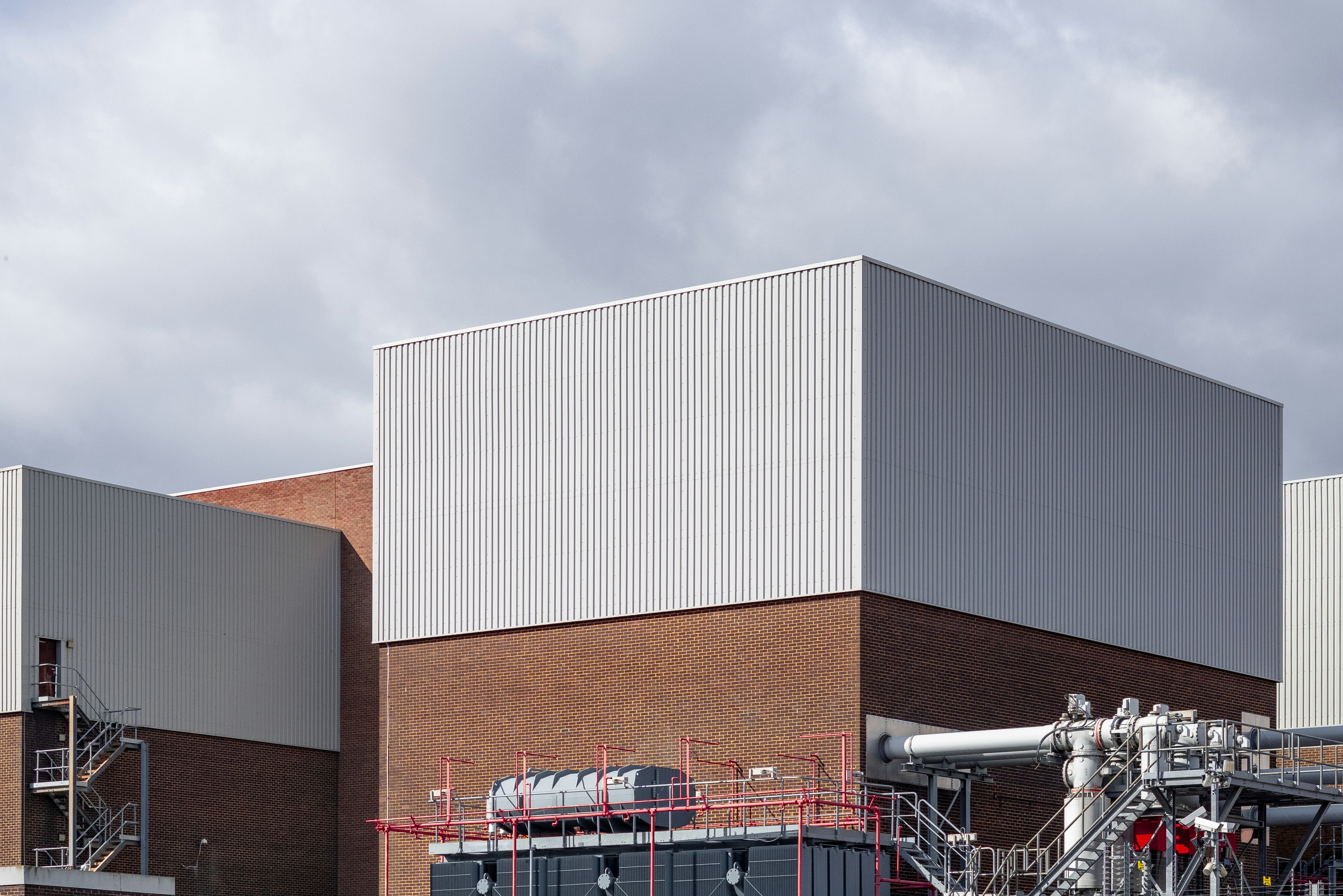
For fences, include posts, rails or channels, caps, gates and hardware. For decks, include starter clips, field clips, screws, fascia and end details. For cladding, include starters, furring assumptions, fasteners, corners and terminations.
4. Are samples available for real approval?
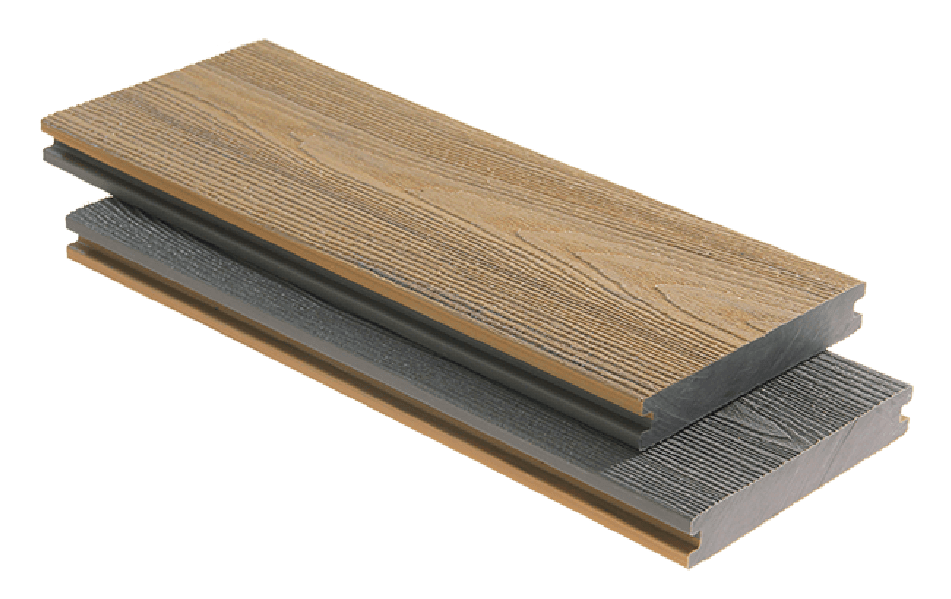
Approve color and texture from a current physical sample, not only a screen. Label the approved sample with the product, color and date. For large or highly visible work, build a mockup that includes joints, trim and a transition.
Ask whether natural or manufacturing variation is expected and whether the order should come from one production batch. Confirm how weathering may affect future repairs.
5. What documentation supports the intended use?
Ask which test reports, listings, evaluation reports or code documents are available and whether they match the proposed product and assembly. The design professional and authority having jurisdiction determine what is required for the project.
Do not accept a broad claim when the job needs a specific result. Record the test method, result, specimen configuration and limitations. This is particularly important for walking surfaces, guards, exterior wall assemblies and projects with special fire requirements.
6. Is the quote transparent?
The quote should show item numbers, descriptions, quantities, unit prices, extensions, freight, tax treatment, exclusions, lead time and validity. Ask whether quantities are based on your takeoff or the supplier’s and how waste was calculated.
Use the same drawings and scope for all bidders. If one quote is lower, check whether gates, accessories, freight or special-order items are missing before concluding it is a better value.
7. What is in stock today—and what is only an estimate?
Separate “normally stocked,” “currently available,” “incoming” and “made to order.” Ask for quantities, location, reservation policy and the date on which availability was checked. A supplier’s general inventory statement is not a commitment for a specific project.
FastFence serves trade buyers through its composite fence supplier program. Contractors should still confirm current inventory, lead time and allocation in writing for each order.
8. Can delivery match the jobsite plan?
Give the delivery ZIP code, address type, access limits, receiving hours and requested date. Confirm freight method, appointment process, curbside or jobsite terms, unloading responsibility, pallet dimensions and inspection procedure.
Long boards and heavy pallets need space and equipment. Plan storage off the ground, protect material according to supplier instructions and keep labels until installation is complete.
9. How will problems be resolved?
Ask for the shortage, visible-damage and concealed-damage procedure before the truck arrives. Know the inspection deadline, required photos, who files the freight claim and the expected replacement path. Record batch or lot information where provided.
A responsive supplier should define the next step without overpromising a result. Contractors can also review FastFence’s dealer and distributor support when evaluating ongoing supply relationships.
10. Are the terms workable?
Read payment timing, deposit requirements, cancellation, returns, restocking, special-order restrictions, warranty process and quote expiration. Confirm who owns field measurements and design decisions. Put approved substitutions and changes in writing.
How to use the scorecard
Weight the criteria based on the project. A fast-moving residential fence may prioritize inventory and delivery. A commercial facade may give more weight to documentation, mockups and assembly details. Record evidence rather than relying on impressions.
Red flags include an unitemized quote, no current installation guide, unclear accessories, verbal-only lead times, refusal to provide samples, unsupported performance claims and no defined damage process.
A practical request-for-quote package
Send these items together:
Project name, location and delivery ZIP code
Drawings or a marked dimensioned sketch
Product, profile, color and finish preference
Required accessories, gates, stairs or trim
Desired delivery date and site constraints
Documentation and sample requirements
Request for itemized pricing, exclusions and lead time
When you are ready, submit the package through the FastFence contact page. A complete request helps the supplier return a more comparable quote.
Frequently asked questions
Should contractors choose a local exterior materials supplier?
Local access can simplify samples, pickup and issue resolution, but location alone is not enough. Compare documentation, product fit, inventory, delivery and commercial terms.
How many suppliers should be compared?
Compare enough qualified suppliers to understand scope and market pricing. The exact number matters less than sending the same information and checking exclusions consistently.
What should be confirmed before paying a deposit?
Confirm exact items, quantities, approved color, price, tax and freight, availability, delivery plan, documentation, return restrictions and the process for shortages or damage.
Is the lowest quote usually the best quote?
No. A lower quote may exclude accessories, freight, support or documentation. Compare total project cost and risk, not only unit price.


